PoliticsBreaking
Paraguay President Santiago Peña Resigns Following Bank Collapse
The move by President Peña comes after a parliamentary vote to pursue an impeachment trial and widespread protests triggered by the collapse of digital lender ueno.

Paraguayan President Santiago Peña has resigned from office, a decision that follows a parliamentary vote to initiate impeachment proceedings against him. The move comes in the immediate wake of the collapse of digital lender ueno, an event that triggered widespread public discontent and sustained protests across the capital, Asunción, ultimately leading to a significant and rapid political crisis for the South American nation.
The lower house of congress voted overwhelmingly, 78-0, in favour of pursuing an impeachment trial against President Peña. This decisive and unanimous vote marked a stunning repudiation of his leadership, as lawmakers from his own long-ruling Colorado Party joined forces with the opposition to back the motion. The parliamentary action was directly preceded by three consecutive days of intense demonstrations that rocked Asunción, with citizens expressing profound anger and frustration over the financial turmoil and demanding accountability from the government.
The primary catalyst for both the escalating public outcry and the subsequent political pressure was the catastrophic failure of ueno, a prominent digital lender in the country's financial sector. The sudden collapse of this institution resulted in millions of citizens having their hard-earned savings frozen, creating a widespread financial hardship that directly impacted countless households across Paraguay. This abrupt loss of access to vital funds ignited a wave of popular protests, intensifying calls for immediate governmental intervention and accountability. The sight of citizens demonstrating in the streets for multiple days underscored the depth of public anger and the urgent need for a resolution.
President Peña, who had been identified in some reports as an ally of former US President Donald Trump, found himself under increasing scrutiny as the economic consequences of ueno's failure became starkly apparent. The unified vote in congress, cutting across traditional party lines and including members of his own political base, underscored the severity of the situation and the depth of the political crisis gripping the nation. It signified a comprehensive loss of confidence in his administration's ability to effectively navigate the economic fallout and restore public trust in the country's financial system.
His resignation marks a pivotal and unprecedented moment in Paraguay's recent political history. It reflects the immediate and severe impact that economic instability, particularly when it directly affects the savings of ordinary citizens, can have on governmental stability and the tenure of a sitting head of state. The rapid sequence of events in Asunción – from bank collapse to street protests, then to a unanimous impeachment vote and ultimately a presidential resignation – serves as a potent reminder of the interconnectedness of a nation's economic health, public sentiment, and political legitimacy. It demonstrates how swiftly a government can lose its mandate in the face of widespread financial distress and popular dissent, underscoring the profound challenges faced by leaders when confronted with both a severe financial crisis and a united legislative opposition.
Reporting by the The Indian Morning Post Editorial Desk.
Related in Politics
White House Briefly Locked Down After Two Security Incidents
The White House was briefly placed under lockdown following two distinct security incidents in its vicinity. A vehicle crashed near Lafayette Park, while a separate individual breached a barrier, prompting authorities to close surrounding roads. President Donald Trump was reported to be inside the presidential residence during the events.
9 November 2026 · 1 min read

Israeli President Picks Eisenkot to Form New Government
Israel's President Isaac Herzog has formally tasked Gadi Eisenkot, leader of the Yashar party, with forming the nation's next government. The decision follows a recent general election that left neither Eisenkot nor incumbent Prime Minister Benjamin Netanyahu with a clear path to power. Eisenkot now has 28 days to secure a majority of 61 seats in the Knesset.
7 November 2026 · 1 min read

Sonia Gandhi Memoir Rekindles India's Emergency-Era Debate
A new political dispute has erupted in India between the Congress and Bharatiya Janata Party (BJP) ahead of the release of Sonia Gandhi's memoir. The book's reported criticisms of the BJP and its concerns about democratic institutions have led the ruling party to invoke the 1975 Emergency, questioning Congress's historical commitment to civil liberties. The controversy marks another flashpoint in India's ongoing political landscape.
7 November 2026 · 1 min read
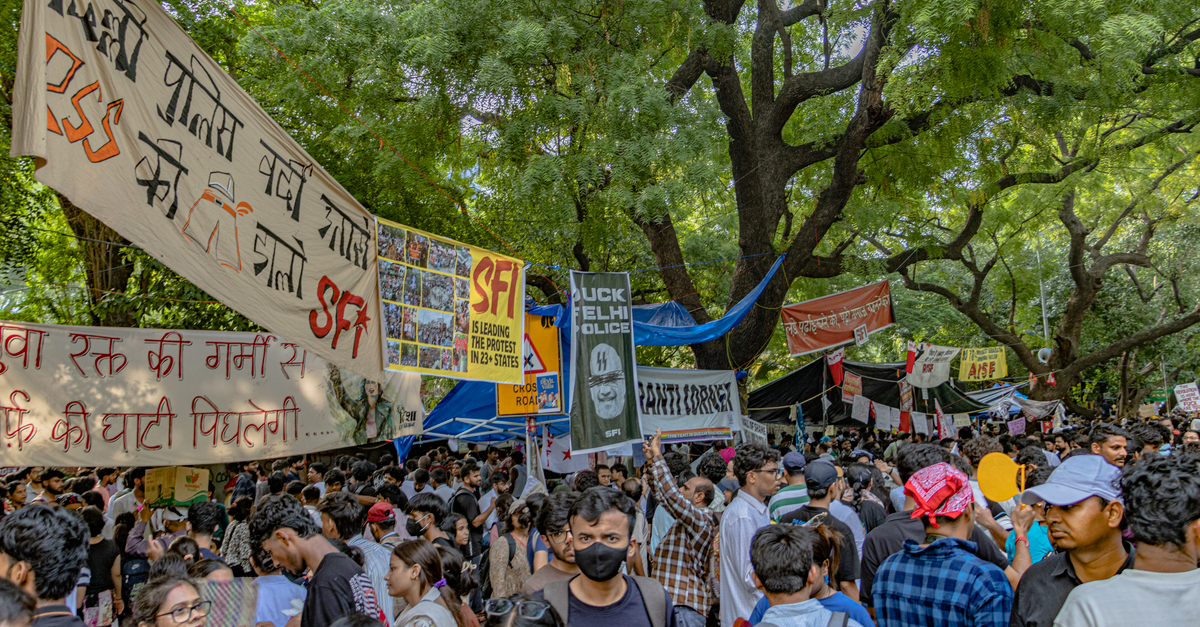
CJP Leaders Appear Before Delhi Police Amidst Foreign Funding Allegations
Leaders of the Cockroach Janata Party (CJP), Saurav Das and Ashutosh Ranka, have appeared before the Delhi Police's Crime Branch in connection with an alleged trespassing incident during an October protest at Jantar Mantar. Their appearance coincides with recent accusations from a Union Minister, Jitendra Singh, who alleged that the CJP receives foreign financial support from US-based donors and Pakistani politicians. The CJP has vehemently rejected these claims.
5 November 2026 · 1 min read