Politics
Indian Political Parties Adopt Distinct Strategies Across States
The BJP has launched a 10-day protest march in Karnataka targeting the Congress government, while the Congress is engaging younger voters in Rajasthan.

The Bharatiya Janata Party (BJP) has commenced a ten-day protest march, known as a padayatra, across parts of the southern Indian state of Karnataka, directing its criticism towards the incumbent Congress government. The extensive demonstration is primarily focused on allegations of widespread corruption within the state administration, a charge frequently leveraged in Indian political discourse. A prominent BJP leader, Vijayendra, has further intensified the political climate by publicly predicting the imminent resignation of another senior minister in the coming days, a statement that suggests potential internal instability or impending revelations within the ruling coalition.
The scope of the BJP's protest extends significantly beyond general corruption charges, encompassing several critical governance issues. The opposition party is also broadly challenging the government over the alleged diversion of funds specifically earmarked for the Scheduled Castes Sub-Plan (SCSP) and Tribal Sub-Plan (TSP). These plans are crucial governmental initiatives designed for the socio-economic upliftment and welfare of India's marginalised Scheduled Castes and Tribes, making any allegations of fund diversion particularly sensitive and politically charged. Additionally, the BJP has accused the Congress government of failing to adequately address the severe drought conditions affecting parts of the state. This issue is a critical concern for Karnataka's largely agrarian population, and the government's response to such natural calamities often becomes a major point of public scrutiny and political contention. This multi-pronged attack aims to mobilise public opinion against the state government on various fronts, from financial probity and social welfare to administrative effectiveness and disaster management.
Meanwhile, in a distinct and geographically separate political development in the northern state of Rajasthan, the Congress party has unveiled a new initiative aimed at electoral engagement. The party has launched a campaign titled "Gen Z for Change," specifically designed to connect with a younger demographic ahead of upcoming local body polls. This strategic move signals an intentional shift in the Congress's traditional political outreach strategies, acknowledging the evolving landscape of voter demographics and communication channels.
The "Gen Z for Change" campaign represents a concerted effort by the Congress to move beyond conventional political methodologies, which often rely on rallies and door-to-door canvassing. Its core objective is to forge direct and meaningful connections with digitally active younger voters, a demographic that is increasingly influential in electoral outcomes and typically engages with political content through online platforms. By specifically targeting this segment, the party aims to refresh its image and enhance its relevance among first-time and younger electors. This adaptation of communication and engagement tactics is designed to resonate with the preferences and platforms favoured by the younger generation, underscoring a recognition of evolving voter behaviour and the growing importance of digital media in political discourse, particularly in the context of grassroots-level local governance contests.
These concurrent yet distinct political actions highlight the diverse strategies being deployed by major parties across India's vast and complex political landscape. While one party engages in direct, street-level protest over pressing governance issues in a state, the other is adapting its electoral tactics to harness the power of digital outreach and youth appeal in a different region, reflecting the dynamic and multifaceted nature of Indian politics as parties vie for influence and power.
Reporting by the The Indian Morning Post Editorial Desk.
Related in Politics
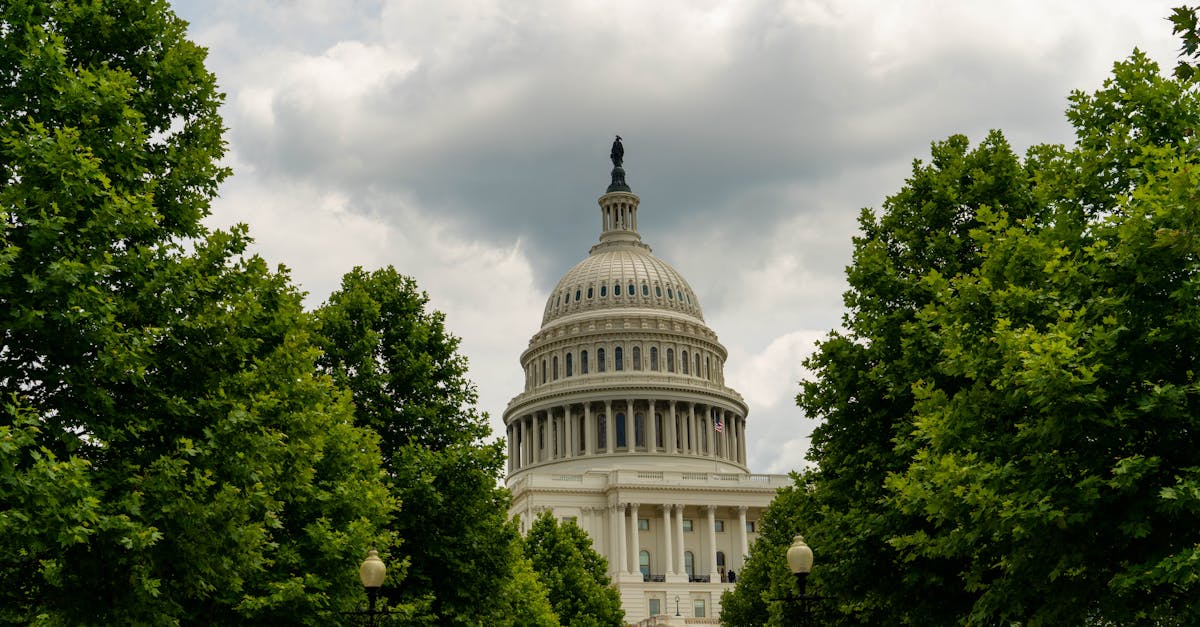
White House Briefly Locked Down After Two Security Incidents
The White House was briefly placed under lockdown following two distinct security incidents in its vicinity. A vehicle crashed near Lafayette Park, while a separate individual breached a barrier, prompting authorities to close surrounding roads. President Donald Trump was reported to be inside the presidential residence during the events.
9 November 2026 · 1 min read

Israeli President Picks Eisenkot to Form New Government
Israel's President Isaac Herzog has formally tasked Gadi Eisenkot, leader of the Yashar party, with forming the nation's next government. The decision follows a recent general election that left neither Eisenkot nor incumbent Prime Minister Benjamin Netanyahu with a clear path to power. Eisenkot now has 28 days to secure a majority of 61 seats in the Knesset.
7 November 2026 · 1 min read

Sonia Gandhi Memoir Rekindles India's Emergency-Era Debate
A new political dispute has erupted in India between the Congress and Bharatiya Janata Party (BJP) ahead of the release of Sonia Gandhi's memoir. The book's reported criticisms of the BJP and its concerns about democratic institutions have led the ruling party to invoke the 1975 Emergency, questioning Congress's historical commitment to civil liberties. The controversy marks another flashpoint in India's ongoing political landscape.
7 November 2026 · 1 min read
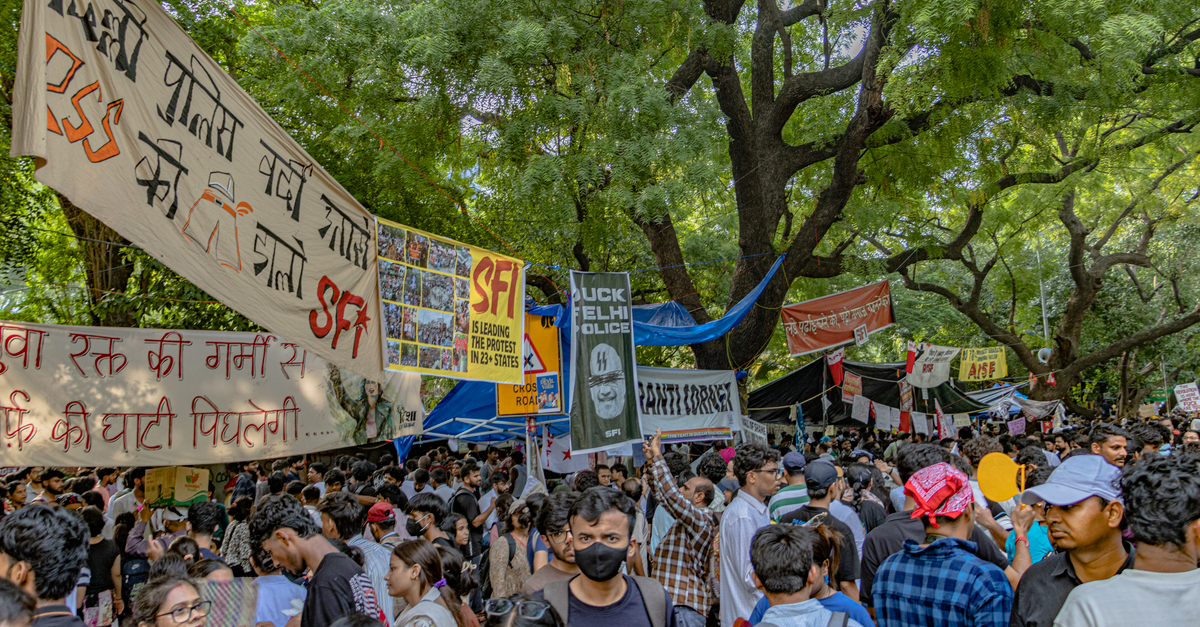
CJP Leaders Appear Before Delhi Police Amidst Foreign Funding Allegations
Leaders of the Cockroach Janata Party (CJP), Saurav Das and Ashutosh Ranka, have appeared before the Delhi Police's Crime Branch in connection with an alleged trespassing incident during an October protest at Jantar Mantar. Their appearance coincides with recent accusations from a Union Minister, Jitendra Singh, who alleged that the CJP receives foreign financial support from US-based donors and Pakistani politicians. The CJP has vehemently rejected these claims.
5 November 2026 · 1 min read